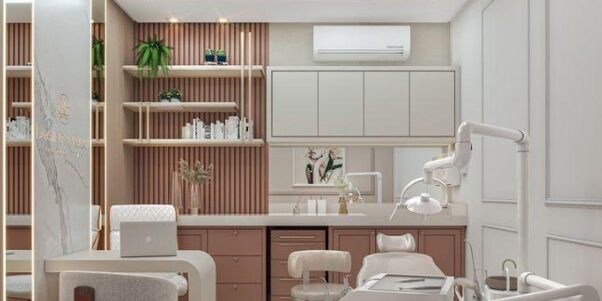
Summary: Dental practices need more than routine office cleaning. They require specialized cleaning methods that reduce infection risks, prevent cross-contamination, and support patient safety. This guide explains how healthcare cleaning differs from standard office cleaning, what to expect from professional cleaning providers, and why choosing the right service helps protect your staff, patients, and reputation.
A dental office may look clean at first glance. The floors shine. The counters sparkle. Everything seems neat. But appearances can be misleading. Dental clinics deal with saliva, blood, tiny airborne particles, and high-touch equipment every single day. That is why dental office cleaning services go far beyond regular cleaning. They focus on protecting patients, reducing infection risks, and helping your practice stay safe and welcoming.
What Makes a Dental Practice Different From a Regular Office?
Think about a regular office. Most people work at desks, attend meetings, and use shared spaces. The biggest concern is keeping surfaces tidy and removing everyday dust.
A dental clinic tells a different story. Every patient brings different bacteria and germs. Dental tools create tiny sprays that settle on nearby surfaces. Door handles, waiting room chairs, counters, treatment rooms, and light switches become touchpoints throughout the day. Even if you cannot see the germs, they may still be there.
That is why healthcare cleaning follows stricter procedures than standard office cleaning. Every step helps lower the chance of harmful germs spreading from one person to another.
Why Is Infection Prevention the Heart of Specialized Healthcare Cleaning?
Patients visit your practice because they trust you with their health. A clean treatment room builds confidence before a single procedure begins.
Specialized healthcare cleaning focuses on cleaning first and disinfecting second. Dirt, dust, and organic matter must be removed before disinfectants can work properly. If this step is skipped, germs may survive even after surfaces appear spotless.
Professional cleaners also understand which disinfectants work best for healthcare settings, how long they should remain on surfaces, and which areas require extra attention throughout the day.
How Does Cross-Contamination Happen Without You Realizing It?
Cross-contamination often happens quietly. One cleaning cloth wipes a treatment chair. The same cloth touches a reception counter. Before anyone notices, germs have moved from one area to another.
Professional healthcare cleaners avoid this problem by using color-coded cloths, separate cleaning equipment, and room-specific procedures. These small habits make a big difference.
It is much like using one cutting board for raw chicken and another for vegetables. The rule feels simple, yet it protects everyone. Healthcare cleaning follows the same common-sense approach every single day.
Why Are High-Touch Surfaces More Important Than You Think?
Some areas collect more germs simply because people touch them again and again. Door handles, cabinet pulls, payment terminals, keyboards, faucet handles, waiting room armrests, and light switches deserve special attention.
A reliable cleaning provider knows these hotspots should never become an afterthought. Instead of cleaning only what looks dirty, they clean what people touch the most. That simple shift helps reduce the spread of harmful microorganisms while giving patients greater peace of mind.
Can Standard Office Cleaning Meet Healthcare Standards?
The honest answer is no.
Traditional office business cleaning services usually focus on appearance. They empty trash bins, vacuum carpets, wipe desks, and clean common spaces. Those tasks matter, but healthcare environments demand much more.
Dental practices require cleaners who understand infection control, safe chemical use, proper disposal practices, and detailed cleaning schedules. Every treatment room must receive careful attention because every patient deserves a safe environment.
That extra layer of knowledge separates specialized healthcare cleaning from everyday janitorial work.
Why Do Cleaning Checklists Matter More Than Speed?
Cleaning quickly is never the goal. Cleaning correctly is.
Experienced healthcare cleaners follow detailed checklists instead of relying on memory. Each room receives the same careful process every visit. Nothing gets skipped because someone is rushing to finish the job.
This consistency helps your practice maintain high cleaning standards day after day. Patients may never see the checklist, but they notice the confidence that comes from walking into a fresh, organized, and hygienic clinic.
Why Do Professional Dental Office Cleaning Services Protect Your Reputation?
Your patients notice more than clean floors. They notice fresh-smelling treatment rooms, spotless waiting areas, and sanitized surfaces. These details shape first impressions before your team says hello.
A consistently clean practice tells patients you care about every part of their experience. That trust often leads to repeat visits, positive reviews, and recommendations. After all, actions speak louder than words, and a clean environment quietly says you put patient safety first.
How Can Specialized Cleaning Save Time and Reduce Stress?
Managing a dental practice already keeps your schedule full. Your team should focus on patient care, not worrying about cleaning protocols after every workday.
Working with a professional healthcare cleaning company gives you one less thing to manage. Trained cleaners follow established procedures, use the right products, and clean every area with care. That means fewer interruptions, more consistency, and confidence that your practice stays ready for every appointment.
What Should You Look for in a Specialized Cleaning Partner?
Not every cleaning company follows healthcare standards. Before choosing a provider, ask the right questions.
Look for teams that understand infection prevention, use healthcare-grade disinfectants, follow structured cleaning plans, and pay close attention to detail. Flexible scheduling is another advantage because dental offices often need cleaning before opening or after patients leave.
The right partner should also customize services based on your clinic’s size, patient volume, and daily operations instead of offering a one-size-fits-all plan.
Why Does Specialized Cleaning Benefit Everyone?
Specialized cleaning protects more than your patients. It also supports your dentists, hygienists, assistants, reception staff, and visitors.
A cleaner workplace helps reduce the spread of germs, creates a healthier environment, and keeps your practice looking professional every day. It is a simple investment that supports safety, comfort, and long-term confidence.
When every surface receives the attention it deserves, everyone who walks through your doors benefits.
Conclusion
A dental practice needs more than routine cleaning. It needs a thoughtful process built around infection prevention, cross-contamination control, and patient safety. Specialized healthcare cleaning helps create a healthier space while reinforcing the trust your patients place in you every visit.
At Blue Coast House Cleaning Service, we work with you to create customized cleaning programs that meet your specific needs with European cleaning service standards. We care, we show up. Come home to a stress-free space every day or enjoy a spotless workplace because we don’t cut corners, we clean them. Call now for a free quote and let us help you create a cleaner, healthier environment.
Frequently Asked Questions
- Why are dental offices cleaned differently than regular offices?
Dental offices deal with biological contaminants, treatment equipment, and frequent patient contact. Specialized cleaning reduces infection risks and follows stricter healthcare cleaning practices than standard office environments.
- How often should a dental practice receive professional cleaning?
High-touch areas should be cleaned and disinfected daily, while deep cleaning should follow a scheduled plan based on patient traffic and clinic requirements.
- What is cross-contamination in a dental clinic?
Cross-contamination happens when germs move from one surface, person, or object to another. Proper cleaning methods help stop this spread and improve patient safety.
- Can regular commercial cleaners clean a dental office?
General commercial cleaners may handle basic cleaning tasks, but specialized healthcare cleaning requires infection-control knowledge, proper disinfectants, and detailed cleaning procedures.
- What are the benefits of hiring specialized dental cleaning professionals?
Specialized cleaning improves hygiene, protects patients and staff, reduces infection risks, supports regulatory standards, and creates a professional environment that builds lasting trust.